Press Freedom Watch

Documenting actions that affect freedom of the press in the U.S.

A free press is the bedrock of American democracy, vital enough to be enshrined in the Bill of Rights. It informs citizens, holds leaders accountable and preserves democratic principles.

After decades of relative freedom, the press now faces a precarious future. Since January, President Donald Trump and his administration have taken actions that have hindered the media’s ability to cover the government, including cutting funding, investigating outlets and detaining writers. Some actions appear tied to broader strategies, such as Project 2025, the 900-page conservative roadmap for reshaping government. Others focus on outlets that Trump has repeatedly singled out for criticism. 

To document these developments, Poynter is compiling a list of federal actions affecting journalists, including lawsuits, policy changes, investigations, funding cuts, firings and detentions. The list will be updated periodically and does not include verbal attacks, threats or media companies’ anticipatory compliance.

For tips or suggestions, email Poynter reporter Angela Fu at afu@poynter.org or contact her on Signal at angelafu.74.


Trump bans CNN, MS NOW and Politico journalists from the White House

September 18, 2026
Source: Donald Trump

President Donald Trump announced via Truth Social that he would ban CNN, MS NOW and Politico from the White House “as a result of their constant ‘reporting’ FAKE NEWS!” He added that outlets should not be able to report “FICTION and LIES” in their political coverage and that he would ban more news outlets in the future. The next day, several reporters and photographers from the three outlets had their White House press passes deactivated. The White House has previously banned The Associated Press from certain presidential spaces after the AP refused to call the Gulf of Mexico the “Gulf of America.” However, AP reporters had some of their access restored after the outlet sued the administration over the ban. 

More from Poynter:

Pentagon polygraphs Joint Staff employees in media leak investigation

August 31, 2026

The Pentagon polygraphed 50 military officers and civilian employees on the Joint Staff as part of a media leak investigation, The New York Times reported. The investigation came after media outlets reported that the U.S. was running low on important munitions due to the Iran war. One expert told the Times that he had “never seen polygraphs employed this broadly or at this seniority level.” The executive branch under President Donald Trump has ramped up its use of polygraphs as part of a crackdown on media leaks, despite the tool’s unreliability. In addition to the Defense Department, the Department of Homeland Security and the FBI have polygraphed employees to identify the sources of media leaks.  

Treasury Department denies several journalists press credentials for G20 meeting

August 29, 2026

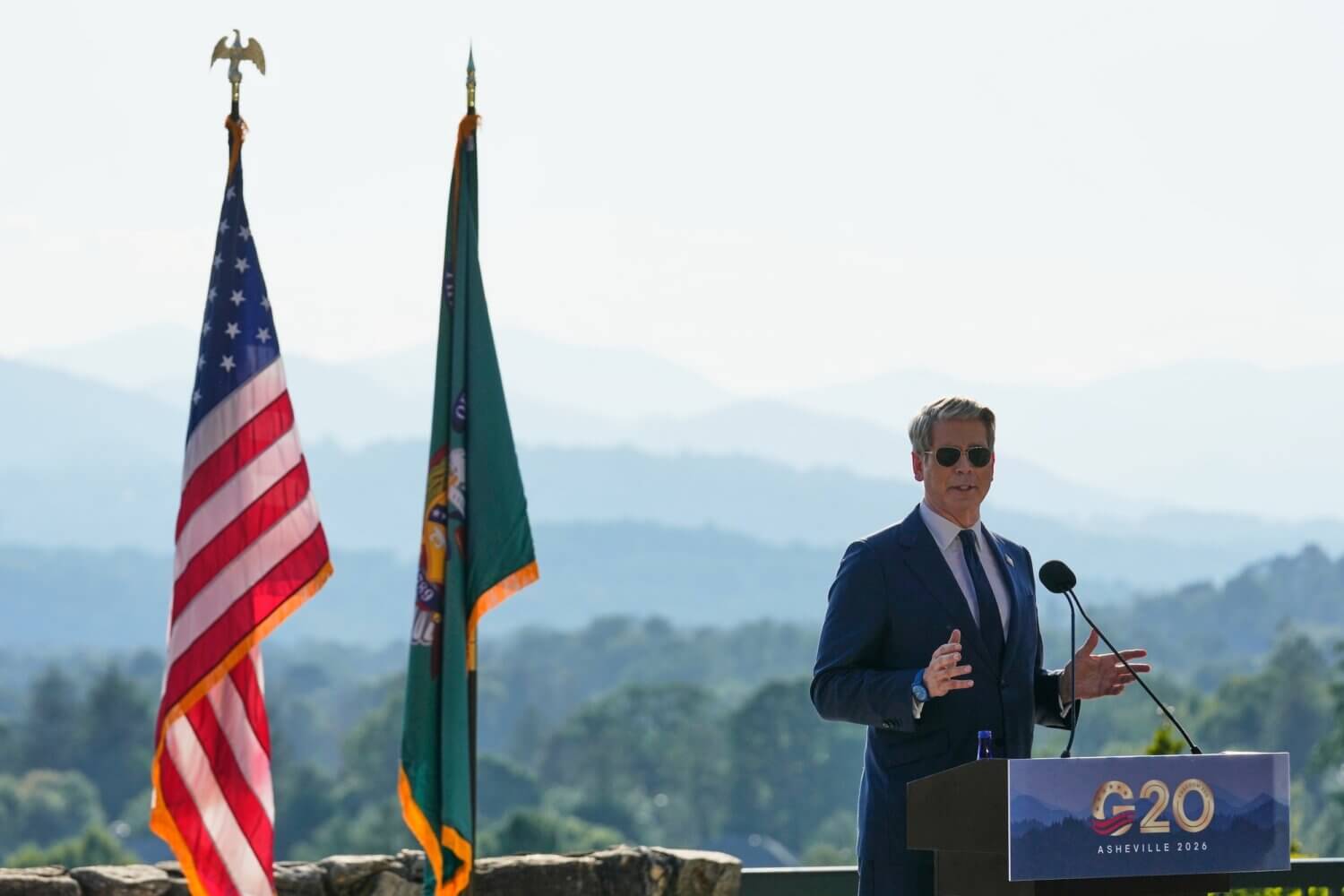
The Department of the Treasury refused to grant press credentials to several reporters for The New York Times, Bloomberg News and The Wall Street Journal to cover a Group of 20 meeting in Asheville, North Carolina, the Times reported. A different reporter from the Times was given a press credential, and a Treasury Department spokesperson said that “nearly 300 members of the media” from various outlets including NPR and The Washington Post had received credentials to cover the meeting. Last year, Treasury Secretary Scott Bessent threatened to withhold access from Bloomberg over its reporting about his decision to list two homes as his “primary residence.” Bessent appeared to follow through with his threat as he stopped granting interviews to Bloomberg TV, according to Semafor. 

US Central Command press office blacklists journalists

August 24, 2026

After making several calls to the U.S. Central Command, The Intercept reporter Nick Turse was told by a public affairs official that he could be put on a “list of people to disregard” for calling too often. The official, Richard Allee, confirmed that such a list existed after further questioning by Turse. CENTCOM later denied having a blacklist of journalists in an emailed statement to The Intercept. Other departments of the executive branch — including the Treasury Department and Department of the Interior — have previously blacklisted certain publications over negative coverage. 

Pentagon fires Stars and Stripes editor, publisher and reporter

August 21, 2026

Stars and Stripes editor-in-chief Erik Slavin and Middle East reporter Lara Korte said they were fired by the Department of Defense for saying in media interviews that they were committed to providing independent journalism to their readers in the military. Specifically, both had given interviews to “CBS Sunday Morning” for a piece about changes the Defense Department — which contributes half of the Stars and Stripes’ funding — had made to the paper as part of an effort to exert more control over the editorially independent publication. Korte was quoted as saying she worked for the paper, “not for the Pentagon, not for any administration, not for any policymaker.” Meanwhile, Slavin said a “redline” he would not cross would be if the Pentagon told him not to run a certain news story and instead run a prewritten press release. Several weeks later, the Pentagon instructed Stars and Stripes publisher Max Lederer to terminate Slavin and Korte. Lederer refused and resigned instead. In response, the Pentagon also issued a notice of separation to Lederer. In all three notices, the Department of Defense cited “insubordination.”

More from Poynter:

Defense Department accuses former Air Force secretary of disclosing classified information, revokes security clearance

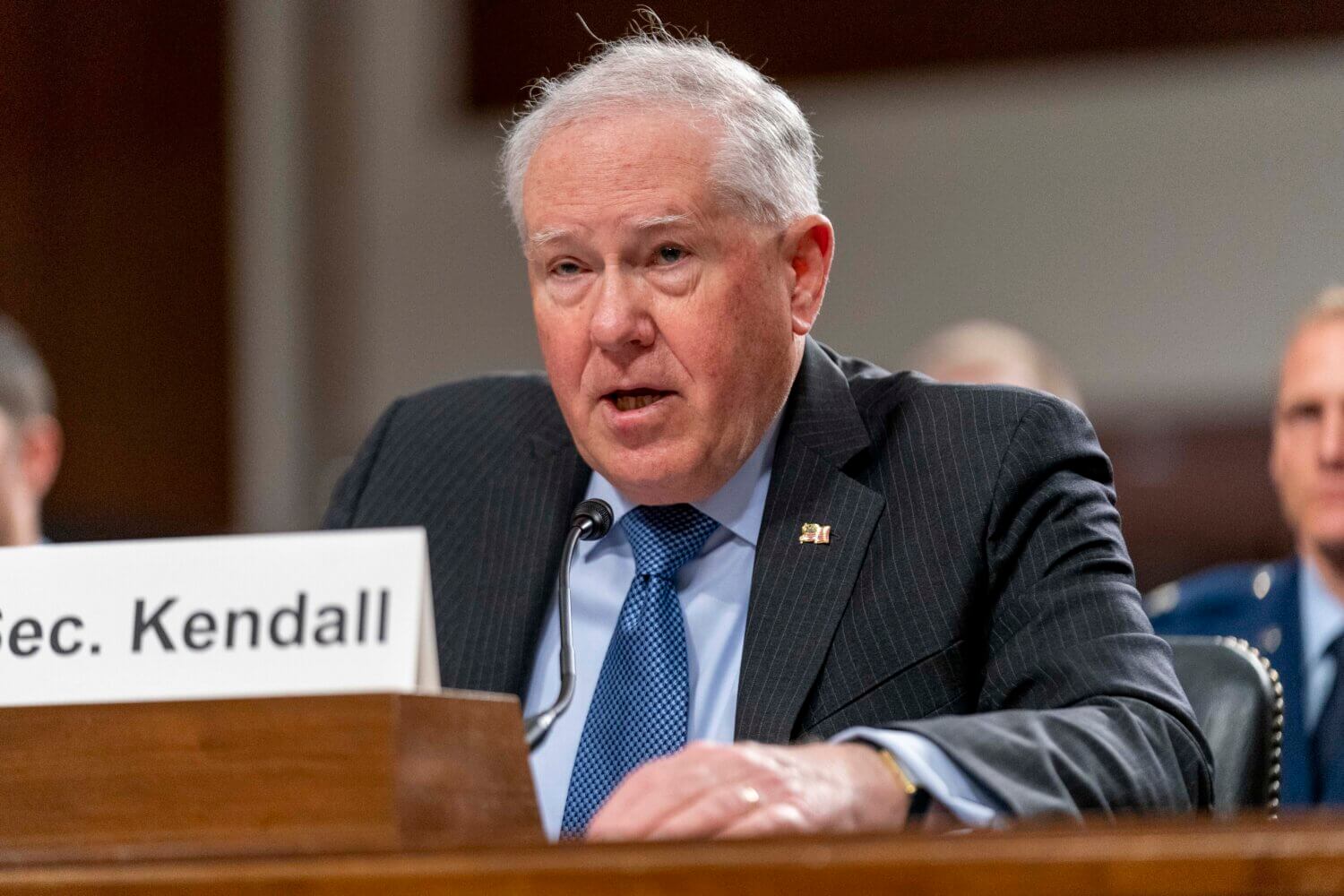
Chief Pentagon spokesperson Sean Parnell announced on X that former Secretary of the Air Force Frank Kendall’s security clearance had been revoked. (It is relatively common for officials to retain their clearance even after leaving their jobs to allow them to advise the government or work as contractors.) Parnell accused Kendall of disclosing classified information about Air Force One to a media outlet. Kendall denied doing so in a statement to the AP, saying he had not been told what classified information he allegedly disclosed. Kendall had given on-the-record interviews to media outlets, including The New York Times, about security concerns surrounding the airplane donated by Qatar, which President Donald Trump is using as the new Air Force One. The Justice Department later subpoenaed four Times reporters over their reporting, though it later dropped the effort. 

More from Poynter:

Secret Service investigates agent for leaking

July 23, 2026
Source: CNN

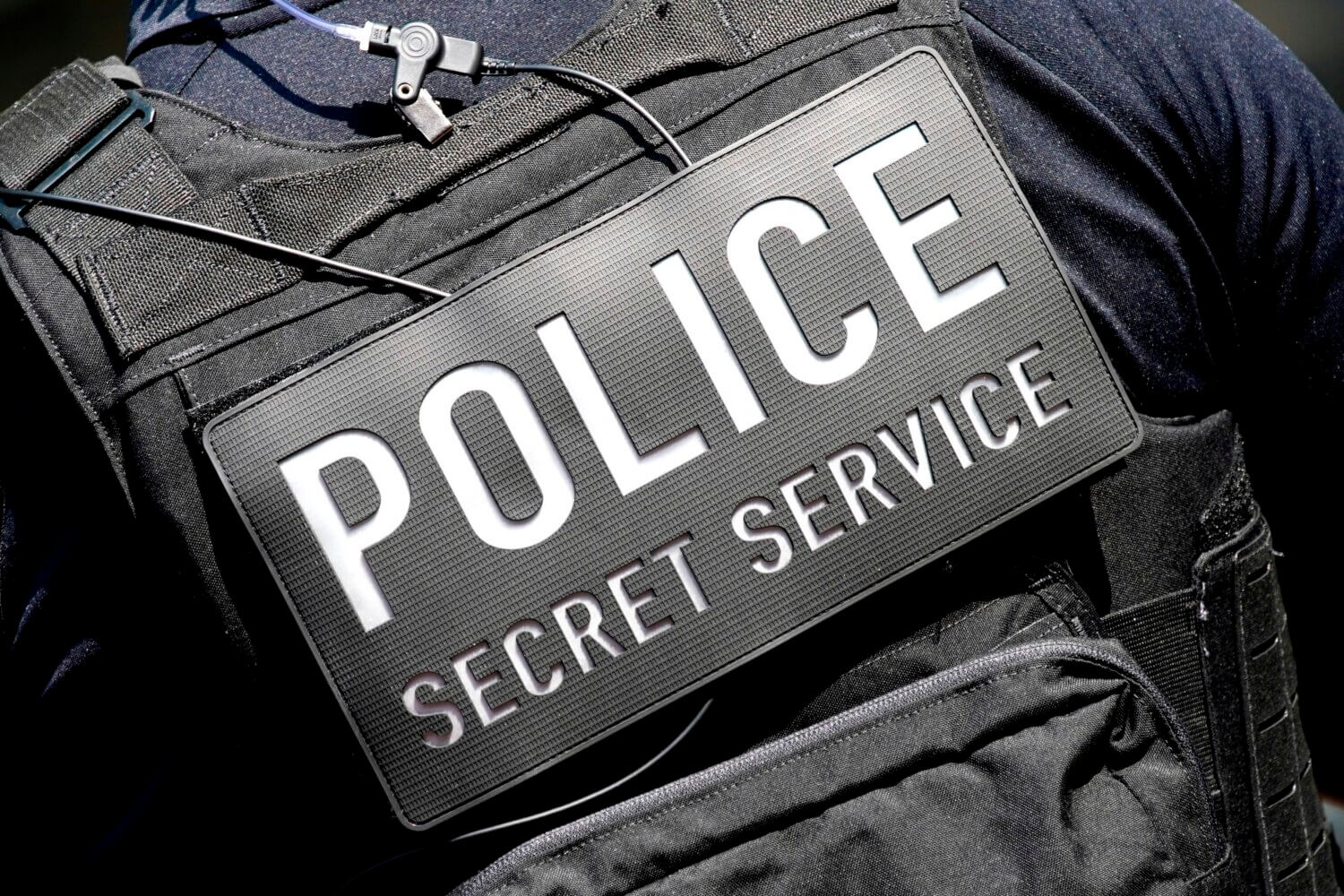
The Secret Service placed an agent on leave and launched an investigation over suspicions that the agent had leaked information about Vice President JD Vance’s travel to MS NOW, according to CNN. On July 15, MS NOW reported that some members of Vance’s security detail were frustrated by last-minute travel requests made by Vance and his family, and they believed that those requests sometimes constituted an inappropriate or unprecedented use of government resources. According to CNN, some government officials were upset that “operational details” about Vance’s travel had been included in the story. 

House of Representatives committee subpoenas media outlet

July 21, 2026

The House Ways and Means Committee subpoenaed nonprofit news outlet BreakThrough News as part of an investigation into “whether existing legal standards governing tax-exempt status adequately account for foreign influence and control.” Two other nonmedia organizations were also subpoenaed. The subpoena sought financial records and internal communications, BreakThrough News said. They added that they have never received money from a foreign actor: “Their goal is to saddle us with legal proceedings and hostile media to drain our time and resources.”

DHS issues rule restricting duration of I visas for foreign journalists

July 16, 2026

The Department of Homeland Security announced it was restricting the duration of the I visa — which foreign journalists use to stay in and report on the U.S. — to a period of eight months. (Chinese reporters are limited to a stay of three months.) Previously, most foreign journalists were allowed to use the visa to stay as long as they needed to complete their reporting assignment. That flexibility gave foreign journalists the stability needed to accept jobs at their outlets’ American bureaus and potentially stay for several years, developing their sources and expertise to sharpen their reporting. DHS also made changes to the F visa for students and the J visa for visitors participating in cultural exchanges; foreign nationals have used both visas to study journalism in the U.S. 

Defense Department and DOJ announce joint task force to identify and prosecute leakers

July 13, 2026

In a video posted on X, Defense Secretary Pete Hegseth announced that his department and the Justice Department have created a joint task force to identify and prosecute employees who leak information to the media. “The security of our nation cannot be a bargaining chip for those who seek momentary headlines. Access to confidential and secret information is a sacred trust, and those who betray that trust will be met with the full force of the law,” Hegseth said. The Defense Department has previously sought to control media leaks by using polygraphs, while the Justice Department has made use of subpoenas in leak investigations to attempt to identify journalists’ sources.

More from Poynter:

DOJ subpoenas three NYT reporters and seeks their phone records

July 10, 2026

The Department of Justice subpoenaed New York Times reporters Julian E. Barnes, Eric Lipton and Eric Schmitt as part of a media leak investigation after they reported that security concerns surrounding the new Air Force One — which was a gift from Qatar — forced President Donald Trump to use an older plane during a recent trip to Turkey. (The DOJ also attempted to serve subpoenas to journalists Tyler Pager and Adam Goldman, who were also involved in the reporting, but failed.) Several phone service providers also received subpoenas as the Justice Department sought phone and text messaging records from some of the journalists and their spouses. Two of the subpoenas sought phone records dating back to Jan. 1, well before the July investigation into Air Force One, which the Times called an attempt to “forage for information about the Journalists’ source relationships more broadly.”

More from Poynter:

CBP officers detain journalist at border and seize his devices

Customs and Border Protection officers detained and questioned The Grayzone editor-in-chief and founder Max Blumenthal for two hours at Washington Dulles National Airport before seizing two cellphones he was carrying at the time. Blumenthal had just returned from a reporting trip to Iran to cover the Ayatollah’s funeral. Other American reporters who were also in Iran to cover the funeral — and who had participated in the same official press events as Blumenthal — were not questioned upon return to the U.S. Blumenthal has said he believes he was targeted for his journalism and because far-right influencer Laura Loomer had drawn attention to his Iran reporting trip. On July 5, Loomer wrote on X that she hoped he would be detained upon arrival in the U.S. and stripped of his passport. 

Journalists kicked out of Freedom 250 event hosted by U.S. embassies in Brussels

June 28, 2026

The European Correspondent editor-in-chief Julius E. O. Fintelmann and defense editor Samuel Dempsey were detained and questioned while covering a Freedom 250 event in Brussels and were later kicked out. The event, organized by three American embassies, was meant to celebrate the U.S.’s 250th birthday, and the European Correspondent had been invited as press. At the event, Dempsey and Fintelmann tried to ask a question to Bill White, the U.S. ambassador to Belgium,  but a person at the event said they were not allowed to do so. Twenty minutes later, Belgian police detained Dempsey and Fintelmann and confiscated their IDs. Dempsey and Fintelmann learned that the police had been told that Dempsey was an “active threat.” Even after police established that they were journalists invited to the event, the embassy refused to let them back in. 

Pentagon proposes weakening FOIA to allow for the withholding of certain unclassified records

June 25, 2026
Source: Pentagon

The Pentagon submitted a legislative proposal to Congress advocating for the Freedom of Information Act to be revised so that the defense secretary could withhold from disclosure certain “controlled unclassified information” related to national security. The proposal also would give the defense secretary the power to prevent state and local governments from releasing such information under their own records disclosure laws. Press freedom advocates have criticized the proposal as extremely broad, as “controlled unclassified information” is a designation given to many different types of documents that may be sensitive but not classified. The Freedom of the Press Foundation’s Lauren Harper said if adopted, the proposal could cause hundreds of millions of records to be concealed indefinitely since, unlike classified information — which is usually subject to disclosure after 25 years — unclassified information has no such expiration date.

Justice Department seeks details of journalist’s LinkedIn interactions

June 3, 2026
Source: Politico

The Department of Justice sought data about 1,900 LinkedIn interactions from six users, including a journalist, according to Politico. A federal judge issued an order, granting the Justice Department’s request, and issued a nondisclosure order to stop LinkedIn from telling its users about the order for a year. Exact details of the case — including the information the government sought and which people it sought records for — were under seal. LinkedIn, which is owned by Microsoft, has fought back against the order. Press freedom advocates note that such requests can expose confidential sources. Under the second Trump administration, the Justice Department has repeatedly sought to obtain journalists’ records via subpoenas and seizures.