Before true crime was everywhere, there was ‘Dateline’
Its suspenseful storytelling helped bring true crime to a mass audience and created a blueprint for the boom that followed
September 9, 2026

In 1975, when the Poynter Institute was founded, there was no internet, no social media, no cable television. Imagine all that has happened since then, all the influential people who have come along, all the pivotal moments that have taken place and, most of all, how drastically the journalism and media industry has changed.
The Poynter Institute has been there every step of the way, helping to navigate these changes, understand their impacts and guide journalism into its next chapter.
As Poynter celebrates its 50th anniversary, we look back at 50 of the most significant media moments and people of the past 50 years, while also detailing how they have impacted our future. We would love your feedback. Please send us your reactions and offer your suggestions.
No story is too big or too small, too mainstream or too niche. From the rise of cable news to the release of the iconic “All the President’s Men”; from tweeting to blogging; from O.J. to Murdoch, this project contemplates how we got here and where we’re headed.
This is The Poynter 50 — a reflection on the moments and people who defined the past and continue to shape the future of journalism.
Its suspenseful storytelling helped bring true crime to a mass audience and created a blueprint for the boom that followed Pearl’s murder became a turning point for journalist safety, but those who knew him want his life — and his ‘appetite for the world’ — remembered, too The acclaimed filmmaker reflects on history, journalism and why the facts must come before the art The Weather Channel, Doppler radar and a new generation of meteorologists transformed forecasts from filler into one of local news’ defining features The 1977 interviews pushed Nixon beyond ‘mistakes’ to wrongdoing and led to an on-camera admission that he had let the country down Wall-to-wall coverage blurred the line between reporting and entertainment and reshaped how high-profile cases are covered The future president’s 1992 appearance on ‘The Arsenio Hall Show’ showed candidates could reach voters outside traditional journalism He fused raunch, confession and marathon interviews into must-hear audio, years before podcasting became a media powerhouse She built an empire from a daytime talk show, using empathy and business savvy to influence what Americans watch, read and believe In a post-9/11 climate of fear, newsrooms echoed false claims about weapons of mass destruction, sidelining dissent and helping sell a war Hart’s downfall showed private lives were no longer off-limits and set off a heated debate over whether the press had crossed into lurid territory For years, she was the most photographed woman in the world. Her death forced the press to question how far it had gone. The platform made scoops instant status symbols and blurred the line between newsroom and personal brand Reporters still trek through competitive neighborhoods to interview voters. But quantitative political journalism has become more predominant. Before QAnon and MAGA, Gamergate pioneered a decentralized playbook for undermining the press Once a voice of authority, the decline of trust in the press has mirrored the rise of a more fragmented, polarized media world Craig Newmark’s simple site was hailed as a disruptor and blamed for the collapse of classifieds. But journalism’s business failures ran deeper. Fed up with ‘partisan hackery,’ Stewart trumped traditional media for some fans — even with a show that followed ‘puppets making crank phone calls’ The true crime podcast rewrote the playbook on what successful audio storytelling sounded like and who could produce it She smashed glass ceilings to anchor the news, perfected the iconic interview and built a show that redefined daytime TV. Before true crime was everywhere, there was ‘Dateline’
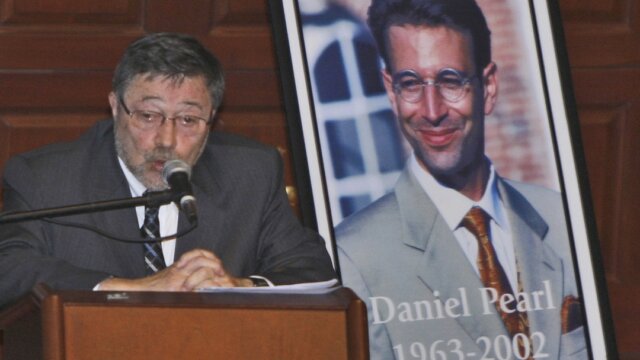
Read More September 9, 2026 Daniel Pearl’s murder exposed a new peril of reporting around the world
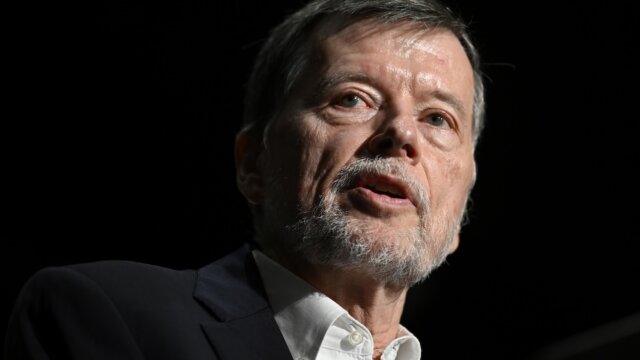
Read More August 24, 2026 How Ken Burns helps shape America’s understanding of its own history
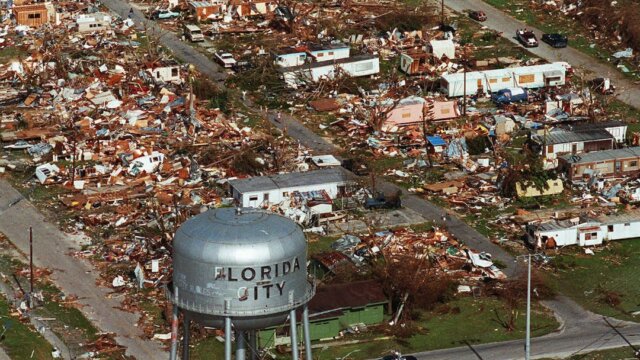
Read More June 23, 2026 How weather became one of the most important parts of local news
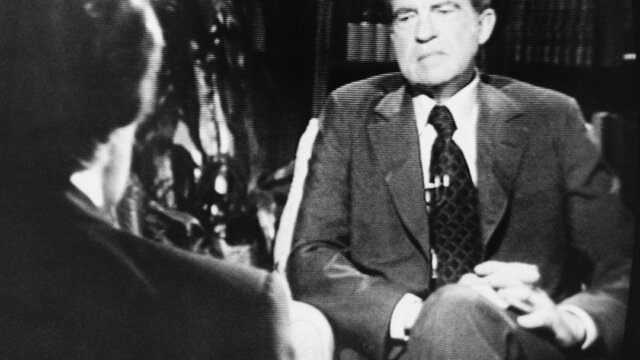
Read More May 20, 2026 Frost-Nixon showed journalism could hold power to account even when the justice system failed
Read More April 22, 2026 The O.J. Simpson trial ushered in the era of infotainment
Read More March 30, 2026 When Bill Clinton played the sax on Arsenio Hall’s show, politics and pop culture fused
Read More March 11, 2026 Long before the podcast boom, Howard Stern built the template for intimate, wide-ranging interviews
Read More February 17, 2026 Oprah changed what media could be — and how millions live their lives
Read More December 11, 2025 When the press amplified false claims about Iraq, it failed its highest duty — and fueled a war
Read More December 3, 2025 Gary Hart’s scandal brought down a candidate and changed how political journalism covers private lives
Read More October 14, 2025 When the media chased Princess Diana to her death, it was forced to look in the mirror
Read More October 6, 2025 Twitter rewired journalism in real time
Read More October 1, 2025 From shoe-leather reporting to handicapping to election modeling: How revolutions by Charlie Cook and Nate Silver transformed political journalism
Read More September 29, 2025 Gamergate was a warning that the media failed to heed
Read More September 10, 2025 Walter Cronkite signed off — and trust in the press steadily eroded
Read More August 6, 2025 Did Craigslist decimate newspapers? Legend meets reality.
Read More July 31, 2025 When Jon Stewart took over ‘The Daily Show,’ satire became a trusted news source
Read More June 30, 2025 Serial’s runaway success launched podcasts into the mainstream
Read More May 13, 2025 Barbara Walters didn’t just break barriers. She rewrote the rules. Then she did it again.
Read More April 28, 2025

A look at the first 10 stories in our series spotlighting journalism’s most defining moments and people
In the latest episode of ‘The Poynter Report Podcast,’ Poynter staffers explain how the Poynter 50 will highlight journalism’s defining moments
Some moments changed everything. Others flew under the radar. But all 50 shaped the journalism we know today — and where it’s headed.
We are drafting a list of the 50 most significant media moments and people of the past 50 years. We need your input.